Applications of thermal imaging

Electrical maintenance uses for thermal imaging are extensive. For example, power line technicians use thermal imaging to locate and pinpoint joints and parts that are at risk of overheating as they’re already emitting more heat than the stronger sections. They can also help spot loose connections or devices that are starting to fail.
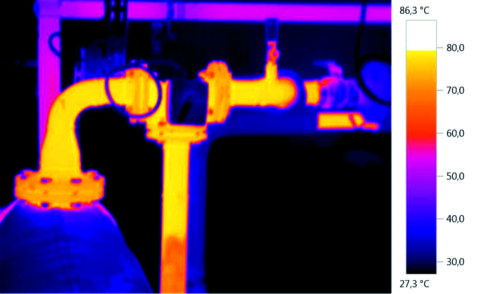
Plumbers use thermal imagers to inspect sites of possible leaks, mainly through walls and pipes. Since the devices can be used at a distance, they’re ideal for finding potential problems in equipment that is either hard to reach or might otherwise pose safety issues to workers.
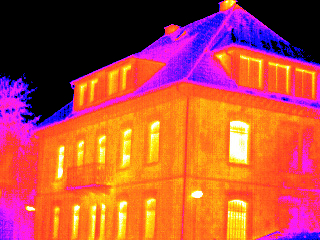
Mechanical and building construction technicians who work with thermal insulation use imaging to quickly identify leaks, which is important to maintain efficient temperature regulation in a building. At a glance, they can analyse a building’s structure and spot faults. Heat loss from walls, HVAC equipment, doors and windows are common thermal performance issues that are easily picked up by a thermal imager.
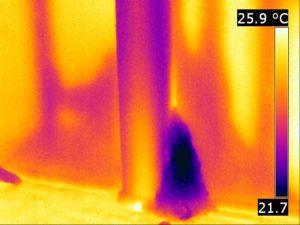
Mechanical and building construction technicians who work with thermal insulation use imaging to quickly identify leaks, which is important to maintain efficient temperature regulation in a building. At a glance, they can analyse a building’s structure and spot faults. Heat loss from walls, HVAC equipment, doors and windows are common thermal performance issues that are easily picked up by a thermal imager.
Animal and Pest management is a field which has a surprising number of uses for thermal imagers. They can help spot pests or animals in dark roof areas without having to climb up into them, and they can detect potential termite activity. Also, they’re commonly used to more easily conduct wildlife surveys in a totally non-invasive, non-intrusive manner.
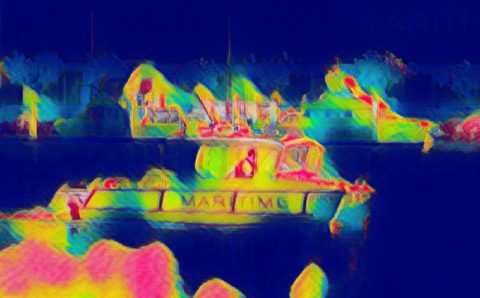
Transport navigation gets significant benefits from thermal imaging, particularly when travelling at night. For example, maritime navigation uses it for clearly seeing other vessels, people and obstructions during the night while out at sea. In recent years, cars have begun incorporating infrared cameras to alert drivers of people or animals beyond streetlights or the reach of their headlights.
Fire-fighters use thermal imaging to help them see through smoke, particularly in rescue missions when they’re searching for people in an otherwise obscured and dangerous environment. They also use thermal cameras for rapid identification of spot fires, so they can intervene before they spread.
Police and law enforcement agencies incorporate thermal imagers into their surveillance equipment, used for locating suspects especially at night, as well as to investigate crime scenes and also for search and rescue operations. They’re superior to night-vision devices, as they don’t require any ambient light and are unaffected by bright lights, which is essential for tactical missions.
Science and research are undoubtedly sectors that draw significant benefits from using thermal imagers, for accurate and precise visualisations of heat patterns.